Thursday, 27 February 2014
Reflection on Tolerance
Tolerance is not the virtue of a magnanimous spirit but rather the vice of a tepid and weak soul.

Reflection on Diversity
If human society is truly diverse, how can we say there exists absolute equality amongst the members of it?
Reflection on Papal Popularity
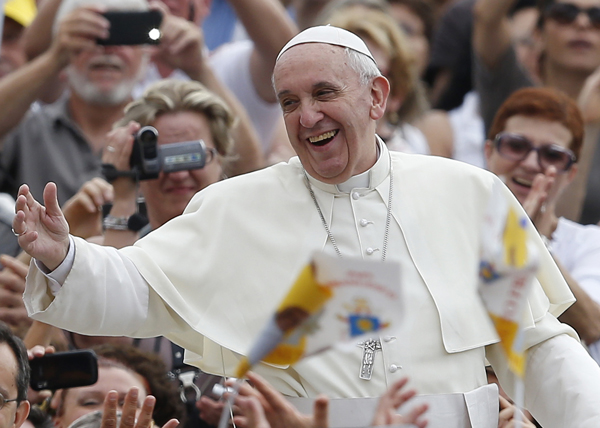
Is it reasonable to suggest that if the reigning Pontiff is considered likeable, men would put away their vices at once and follow Christ wherever the Lamb shall go? It appears that Francis is lauded as it seems to the opinion makers that he is not Catholic.
Sunday, 23 February 2014
On the Gospel for Sexagesima
Benedicta sancta Trinitias, atque indivisa unitas!
Taken from St Luke, 8:4-15.
A fundamental lesson of our Lord's words in today's Gospel highlights two aspects which I would like to develop further in this short reflection. Let us begin by considering the first which will lead into a more fruitful discussion of the latter.
1) The universal reach of divine causality.
All that is not God is under the dominion and sway of God. All persons of whatever state, condition and means are subject to His will whether they have ever paused to consider His lordship or have ever acknowledged it. This is symbolised by the various qualities of the ground. As the great multitude pressed about Jesus anxious to hear His latest teaching and perhaps to experience a further miracle, our Lord spoke in a parable which even the Apostles deemed as beyond their understanding. In response to their question as to the meaning of the sower going out to sow, Christ said, ''To you it is given to know the mystery of the Kingdom of God, but to the rest in parables: that seeing they may not see, and hearing may not understand''. In contradistinction to Billuart I consider this to be the sacred puzzle and the toughest aspect of theology for the mind to apprehend. Why is it that God elevates one to the supernatural level and maintains them there in His grace while He permits another to be obdurate before His appeal in love? Let us not be so foolish as to believe that God grants certain indiscriminate, naked graces to all souls that they are free to accept or decline. Is God not capable of bringing forth good fruit from the harshest of soil? Is He not willing to till the ground so that the weeds are cast aside to allow the seed to grow? Is He powerless before His creatures?
We hold God to be the creator of nature and the author of grace. The fruitful reception of grace by a soul is not dependant upon the conditions of time and space which God foresees, as the followers of Molina assert, but rather it is God who turns to us and grants us life. By His divine movement He converts the soul to Himself, eliciting a truly free and human response. The soil is not 'discovered' by the sower, an analogy of the redemption love of Our Saviour, where He is incapable of turning the ground so that it is sensitive to His approach. The soil represents the soul laid bare and its quality is utterly dependant upon it's response to God's movement of redemption. Nothing else matters in this life. Is salt which has lost its saltiness is only good to be trampled upon what use is infertile soil to a grace filled, fruitful life in Christ? It is fit only to be condemned to rot.
2) Sufficient grace is granted to all men so that they might be saved. No man may ever claim that God has abandoned him to achieve his own salvation. All men are granted sufficient grace to know and love the one true God and redeemer of the nations. We hold that God is certainly capable of saving all men if He so decreed but that in His wisdom and justice He allows certain souls to remain outside of His love, where the devil reigns in his rebellion. Through malice the bloom of efficient grace is suppressed and man can only answer for his rejection of God. No soul could ever reproach God for failing to approach him in grace. Yet too many, as Our Lord teaches, only accept parts of the Gospel to suit their own ''needs'' and to appeal to their convenience. They receive it as only a teaching of man, a lifestyle, a simple philosophy to adapt to their circumstances. It is on account of this misunderstanding of the divine foundation of the Gospel, that Satan so quickly and easily snatches away the seed that God has planted so that they may not truly believe and be saved. As it falls among thorns, it is choked by a worldly conception of God's action among us. For these unfortunate souls, God's mission of redemption is seen as weaker than the allurements of the flesh, the seed of the word of God is considered cheap and easily bought. They have refused to see that the ground was purchased by the blood of Christ. It is not the burial place of the Traitor that is the field of blood, but our own souls. No fruit is brought forth for these men who have converted the Gospel into another aspect of their lives, a token, a sentimental belief that leaves their inner nature untouched by grace. They lack supernatural faith and rely on tradition, custom or hold on to particular features of the Gospel for the sake of consolation.
The soul that is well prepared by God is receptive to His further graces. In patience they accept what He has decreed eternally at whatever moment He brings it about in time and space. Their glory before God is unending, they bring forth a hundred fold of what is sweet and pleasant in the sight of the saints. They are the moisture of civilization. They are the instrumental causes of the fruitful reception of grace by other souls. God works through them to show His mercy to others. They predispose other men to prepare themselves for God. It is with joy that they submit themselves to the sweet yoke of Christ and His Cross, where they see only glory and opportunity rather than a burden to be shunned if possible. All other souls perish when they regard the grace of God in too human a fashion, choked by cares and ambition.
Let no man glory in his salvation but be grateful that he has been called out of nothing to be raised to a formal participation in the divine nature by grace. Let the reprobate condemn himself for his hardness of heart and stiff neck. Let God be glorified in all things.
In Domino,
Charles Stuart.
Taken from St Luke, 8:4-15.
A fundamental lesson of our Lord's words in today's Gospel highlights two aspects which I would like to develop further in this short reflection. Let us begin by considering the first which will lead into a more fruitful discussion of the latter.
1) The universal reach of divine causality.
All that is not God is under the dominion and sway of God. All persons of whatever state, condition and means are subject to His will whether they have ever paused to consider His lordship or have ever acknowledged it. This is symbolised by the various qualities of the ground. As the great multitude pressed about Jesus anxious to hear His latest teaching and perhaps to experience a further miracle, our Lord spoke in a parable which even the Apostles deemed as beyond their understanding. In response to their question as to the meaning of the sower going out to sow, Christ said, ''To you it is given to know the mystery of the Kingdom of God, but to the rest in parables: that seeing they may not see, and hearing may not understand''. In contradistinction to Billuart I consider this to be the sacred puzzle and the toughest aspect of theology for the mind to apprehend. Why is it that God elevates one to the supernatural level and maintains them there in His grace while He permits another to be obdurate before His appeal in love? Let us not be so foolish as to believe that God grants certain indiscriminate, naked graces to all souls that they are free to accept or decline. Is God not capable of bringing forth good fruit from the harshest of soil? Is He not willing to till the ground so that the weeds are cast aside to allow the seed to grow? Is He powerless before His creatures?
We hold God to be the creator of nature and the author of grace. The fruitful reception of grace by a soul is not dependant upon the conditions of time and space which God foresees, as the followers of Molina assert, but rather it is God who turns to us and grants us life. By His divine movement He converts the soul to Himself, eliciting a truly free and human response. The soil is not 'discovered' by the sower, an analogy of the redemption love of Our Saviour, where He is incapable of turning the ground so that it is sensitive to His approach. The soil represents the soul laid bare and its quality is utterly dependant upon it's response to God's movement of redemption. Nothing else matters in this life. Is salt which has lost its saltiness is only good to be trampled upon what use is infertile soil to a grace filled, fruitful life in Christ? It is fit only to be condemned to rot.
2) Sufficient grace is granted to all men so that they might be saved. No man may ever claim that God has abandoned him to achieve his own salvation. All men are granted sufficient grace to know and love the one true God and redeemer of the nations. We hold that God is certainly capable of saving all men if He so decreed but that in His wisdom and justice He allows certain souls to remain outside of His love, where the devil reigns in his rebellion. Through malice the bloom of efficient grace is suppressed and man can only answer for his rejection of God. No soul could ever reproach God for failing to approach him in grace. Yet too many, as Our Lord teaches, only accept parts of the Gospel to suit their own ''needs'' and to appeal to their convenience. They receive it as only a teaching of man, a lifestyle, a simple philosophy to adapt to their circumstances. It is on account of this misunderstanding of the divine foundation of the Gospel, that Satan so quickly and easily snatches away the seed that God has planted so that they may not truly believe and be saved. As it falls among thorns, it is choked by a worldly conception of God's action among us. For these unfortunate souls, God's mission of redemption is seen as weaker than the allurements of the flesh, the seed of the word of God is considered cheap and easily bought. They have refused to see that the ground was purchased by the blood of Christ. It is not the burial place of the Traitor that is the field of blood, but our own souls. No fruit is brought forth for these men who have converted the Gospel into another aspect of their lives, a token, a sentimental belief that leaves their inner nature untouched by grace. They lack supernatural faith and rely on tradition, custom or hold on to particular features of the Gospel for the sake of consolation.
The soul that is well prepared by God is receptive to His further graces. In patience they accept what He has decreed eternally at whatever moment He brings it about in time and space. Their glory before God is unending, they bring forth a hundred fold of what is sweet and pleasant in the sight of the saints. They are the moisture of civilization. They are the instrumental causes of the fruitful reception of grace by other souls. God works through them to show His mercy to others. They predispose other men to prepare themselves for God. It is with joy that they submit themselves to the sweet yoke of Christ and His Cross, where they see only glory and opportunity rather than a burden to be shunned if possible. All other souls perish when they regard the grace of God in too human a fashion, choked by cares and ambition.
Let no man glory in his salvation but be grateful that he has been called out of nothing to be raised to a formal participation in the divine nature by grace. Let the reprobate condemn himself for his hardness of heart and stiff neck. Let God be glorified in all things.
In Domino,
Charles Stuart.
Reflection on a "Church for the Poor"
A "Church for the poor" is just as exclusivist as a "Church for the rich" and which in turn reduces the essential mission of salvation on the part of Our Lord to that of inspirational leader or moral charlatan.
Saturday, 22 February 2014
Reflection on Grace
No grace could ever be asked for had there not been an anterior grace granted so that the seeker may desire it.
Reflection on Progressivism
It is enticing to believe that popular based change is to be accounted as progress, to consider oneself to be part of a future-defining moment. Yet if there exists no standard but the very fluidity of movement, how could one possibly and objectively determine with any sort of confidence progression or regression of said acclaimed alteration?
Reflection on a New Catholic Church
To present an opposition between an exclusivist fortress Church and an evangelizing, missionary spirit is to posit a false dichotomy. For the missionary Church to be truly evangelical it must possess a truth or a treasure which is worth zealously guarding. There is nothing less relevant or useless than an open mind which is devoid of content. A missionary Church which has suffered the loss of such a precious jewel can only eco back the sundry prevailing fashions and slogans of a decadent and transient age while claiming to present a new reality for the people of God. Their new orientation is secular humanism which is only tinged with religious sentimentality to ease their consciences.
Theological Shorts - The Immutability of God
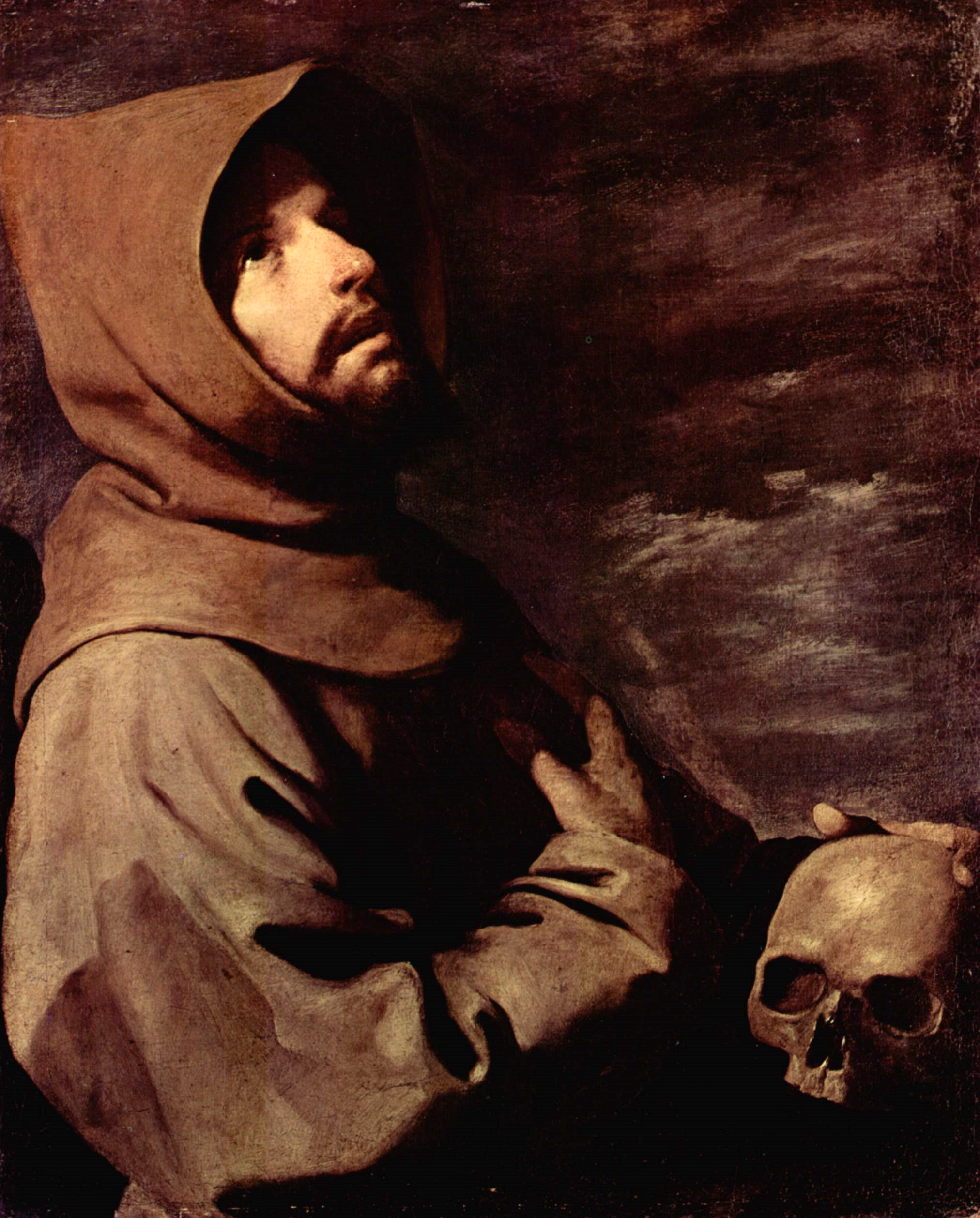
In this theological and philosophical reflection we proceed to explain the mind of the Angelic Doctor which was in complete harmony with the articles of Faith upheld by the Catholic Church concerning the immutability of God. Our guide shall be the Theological Summa, First Part, Question 9, Articles 1 and 2.
The metaphysical essence of God primarily consists of His self-existence or what one may term His aseity. This truth is what is first presented to the mind of man when He considers the nature of God. Alone of all that exists God is said to be pure act, without any admixture of potentiality, Who is rightly held to be Himself in virtue of Himself and not through another. The Thomists teach that His existence and His essence are identical as He requires no outside force or agent to unite them by acting upon Him. We posit only a minor virtual distinction between His divine attributes and each one is notionally included in the other without confusion and each formally possesses the divine nature entirely. His duration is eternal, His relation to the external created world is non-necessary and purely voluntary. His end is Himself and all that He wills is willed for Himself and His own goodness. His will is immutable, His liberty, supreme, His knowledge, the cause of all things. The mixed perfections of creatures are contained eminently and virtually in Him and other perfections when stripped of their human mode of signification may be formally attributed to Him.
We hold it be an article of Faith as well as a certain truth of reason that God, the creator of all that is, the fountain of all that moves, the sustainer of all that perishes is Himself immutable in a way not possessed by any other substance whether rational or purely spiritual. We posit absolute simplicity in the divine nature which can be known analogously and abstractly through a consideration of God's actions ad extra. Yet the objection may arise that the angels themselves are pure spirits, free from the encumbrance of finite matter to restrain their being, possessing no division of parts, having reached their end already. However they, like man and the rest of creation, possess their essence and existence ab alio. It is correct to say that they are self-subsisting beings, individuals which do not form part of another or exist in the form of an accident in another substance, but they are still brought into being from nothing and only held in being by the benevolent will of the one true and immutable God and if He willed that they should be not, they would simply disappear. It is to God alone that we ascribe self-existence, ens a se, in the most proper sense.
In addition we hold that God is immutable as regards His full possession of perfection or it may be more correct to state that He is Himself perfection of being. He requires no further knowledge to improve His choices, He is in no need of another to console His uniqueness in eternity, He is impassible in His divine nature and subject to no other. Who could move Him? Who could further determine Him? Who could even have existence beside from Him? He remains from all eternity what He is and He remains Himself without any 'shadow of alteration or decay'.
As a corollary let us pause to set out what Billuart has called the ''nodus totius theologiae intricatissimus'' and an 'aenigma sacrum' that of the relation between the divine immutability, which applies not only to the substance of God but also to His will, and His absolute liberty. God's decrees are entirely free of coercion, change or error. Although it is certainly puzzling to modern man, but God's immutability is the very foundation of His liberty. Man is often deceived as to his choices, which would for sure change if he knew all things and needed none of them, yet he holds himself free in choosing multitudinous objects in successive acts of the will as they are presented to Him. God possesses greater liberty inasmuch as His relation to the world is as the cause of it. There is no necessary relation of God to what is brought into being by Himself from nothing and therefore He is free supremely from want or obligation to act. Joseph Pohle explains furthers:
''The kernal of this difficulty is to be found in the thoroughly anthropomorphic conception of divine freedom which man forms after the analogy of his own free will, without considering that the liberty of God is something altogether different in kind...The liberty of God, on the other hand, is not an active indifference with respect to several subjective acts. It is but the indifference peculiar to a single, absolutely simple pure act, in relation to different objects. This divine act, being intrinsically necessary, immutable, and eternal, is extrinsically free, inasmuch as it implies a non-necessary, and therefore a free relation to the created universe'' (Dogmatic Theology, Volume 1)
God in one pure and simple act wills His own goodness and the created participatory goodness of that He chooses to bring into being. His will remains immutable while He creates in time what He has decreed from all eternity to bring forth.
Wednesday, 19 February 2014
Reflection on the Papacy

The Roman Pontiff is the most bound of the servants of God, his scope of action is restricted by divine decree to the presentation of the Sacred Deposit of Faith. He is tied taught by the chains of Saint Peter.
Sunday, 16 February 2014
Reflection on "Marriage Equality"
If we are to hold that in the 21st century marriage is nothing more than an oppressive, outmoded institution, the offer of "marriage equality" should appear more as an act of cruelty than one of solidarity.
Saturday, 15 February 2014
Reflection on Sanctity
Sanctity may be described analogously as the striving to love God as He loves Himself. An absolute identity of being, intellect and will resting in the Supreme Good.
Reflection on Euthanasia
To reduce all worth in human living to the sensation of relative painlessness is to devalue humanity to the level of brute beasts where few rights could ever apply.
Monday, 10 February 2014
Reflection on Equality
Is there anything less self evident than the equality of all men, but is more treated than a fundamental dogma of modern living?
Saturday, 8 February 2014
Reflection on the Supersubstantiality of God
God is above all that we know and is the source of all we know. It is only through the latter that we can know Him at all.
Reflection on a Notion of God
Our conception of God has been the first casualty in the progressive war on civilisation. The anthropomorohization of the divinity to create a God more favourable to human vices has not made Him more relevant but has formed a being utterly incapable of receiving any sort of reverence.
Thursday, 6 February 2014
Reflection on Liberalism
The liberality of modern day liberalism appears confined to the sexual whereas in matters economic and political it verges on the totalitarian.
Monday, 3 February 2014
Reflection on God's love for Man

An appreciation of God's love for man may be honoured in solitude alone. Once out in a crowd, passersby appear only as irritants and obstacles. Let us marvel that God even loves this tangle of souls.
Reflection on "Know Thyself"
If man is a mystery to himself how is he to reach the transcendent God? Consider yourself and His creation in a tranquil spirit.
Reflection on Charity and the Poor

The relief of the poor of temporal concerns is only to refresh their hearts for the eternal.
Reflection on Democracy
Democracy is the widescale political equivalent of handing a five year a scalpel to operate on you in the interests of fairness.
Saturday, 1 February 2014
Reflection on Slogans
The vulgarisation of the political or societal slogan has been deftly exploited by those opposed to a natural objectivity and foisted upon a generation much given to parroting a phrase in common but not devoted to actually understanding it. The downfall of liberalism can be brought about by applying their lines of attempted "thought" to situations hardly considered.
Thursday, 30 January 2014
Reflection on Gratitude
It is strenuous to elicit from someone a sense of gratitude towards God for removing some obstacle when they believe that it is their due to be completely undisturbed by trouble.
Saturday, 25 January 2014
Reflection on the Family
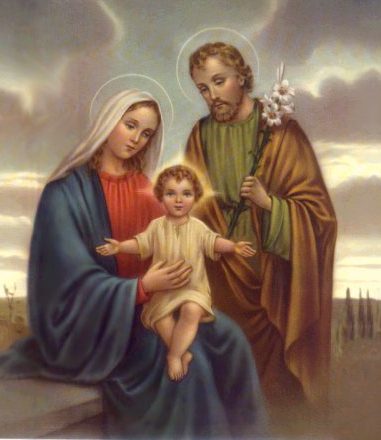
The family is to be the workshop of the Faith, where love of God is taught and nourished, where children are formed in justice and knowledge of goodness, where sacrificed is cherished and duty is embraced.
Reflection on the Aufer a Nobis
As the priest is called to stand in persona Christi his first intention must be to conform his mind to the purity of Christ who ascended the Cross with only thoughts of His Father and the redemption of mankind. Let the cleric wish for nothing else than this.
Reflection on Betrayal and Bishops
The Christian soul can not marvel at the enemies of Christ rallying against His Church but the eagerness with which so many prelates rush to undermine the divine foundation of His Spouse is a greater scandal and a betrayal of the simple faithful. So the bishop, so the people.
Reflection on this World
To live in the shadow of the Crucified is to be fundamentally countercultural. By a firmness and trust in our Father's providence throughout all time and space, we believe all shall be resolved and our simple acts of charity and endurance be proclaimed in truth. When He wills it, all shall be subjugated to Himself, even the wicked who raise up their messiahs against His reign of holiness. The lie of societal progress shall be extinguished even as the world is burned up.
Thursday, 23 January 2014
Reflection on Reverence
.jpg)
In an age where the slightest show of hierarchy or authority is outright rejected, it is not surprising that a hint of reverence of regarded as blasphemous. Unfortunately, any veneration of the Deity is also considered demeaning to man's dignity and as an affront to vaguely defined equality.
Wednesday, 22 January 2014
Reflection on Knowing God Exists by Reason Alone
The two fundamental philosophical laws that you must utilise consistently in order to rise to a natural knowledge of God and His existence are that of non-contradiction and the principle of identity.
Reflection on Physical Premotion
Physical premotion is nothing other than the consistent application of the principle of universal divine causality. It consists of a movement that actualises the freedom of the human will, removing it from a state of inertia or passive indifference to some object.
Sunday, 19 January 2014
Reflection on Democracy and the Rights of God
To believe that the Church's doctrines must be submitted to a popular vote is to consider implicitly that it is God Himself who needs saving and not us.
Saturday, 18 January 2014
''The Renewal of Pope Francis'' - A Rebuttal.
In the Monday, 13th of January 2014 edition of 'El País' an article is featured entitled, 'La Renovación del papa Francisco'' which merits a lot of consideration, not in my view, as a result of the penetrating insight of the writer, Antonio Elorza, but as a consequence of what it reveals about the mind of someone like this catedrático from Madrid. He has joined the conga line of happy liberals proclaiming the allegiance of Jorge Mario Bergoglio to their cause to transform society and to be blunt, maybe these men and women have a point after all. Yet that is not the point of this rebuttal of Señor Elorza. I aim to show how true Christianity has been utterly decimated in the minds of such writers and speakers who have reduced it to a useless sentimentalism adorned with the occasional snippings from Sacred Scripture as they claim to have finally understood the significance of Christ´s person and mission.
For those blessed with an understanding of the beautiful Castilian tongue, I attach the link to his ponderings on how Papa Francisco represents authentic Christianity.
http://elpais.com/elpais/2014/01/08/opinion/1389187988_645021.html
The subtitle of the article is particularly interesting as it concerns something much more fundamental about Pope Bergoglio than most journalists and academics have sought to discover. ´´The new pontiff has altered the relationship between sin and human freedom´´. I read the article on the way home from work on the train and I am certain I attracted a bit of curious attention from fellow passengers as I prodded the page with my finger and muttered ´no, no, that´s nonsense!´and I sighed and wondered how this man ended up as a university professor.
I rarely read El País as it is the Iberian Peninsula´s version of The Guardian, containing the very same pompous self-satisfaction that only a bourgeoisie liberal could possibly possess, but as it is the only Spanish newspaper Edinburgh has on offer, I tried my luck.
At the beginning of the article, he remarks that Pope Benedict XVI left a legacy of his dogmatic theology to his successor to promulgate in ´´Lumen Fidei´´ but now that that is over and done with, the real Francis may step out of the shadows as his own man. It appears to have bypassed Elorza that Francis was under no obligation to sign off on Ratzinger´s draft of the encylical and could have dropped it off in the cubo de la basura if he had so desired. I had initially thought as I read the article the first time that this was simply the case of another liberal hijacking Pope Francis and it was necessary to damn Ratzinger on the way. It occurred to me as I reflected on it more than the trouble the author has is not with Ratzinger but with the Christian faith as it actually is. For any honest Catholic, Pope Benedict was hardly some form of hardliner and who was completely undeserving of his media nicknames ´´God´s rottweiler´´ and the ´´Panzer Cardinal.´´ I doubt that his ideas of inter-religious dialogue, ecumenism and religious liberty are much more different from the current occupant of the Throne of St. Peter. More subtle and restrained maybe, but of the same species. A obscurantist intregrist he was not.
I particularly find Elorza criticism of Pope Benedict´s work to be baffling as he considers it unfavourably to be ´´a forest of biblical quotations and from St. Paul´´ and he is entirely damning of Ratzinger´s ´´dualistic vision´´ of the world. The dreaded ´´dualism´´ of Ratzinger is not peculiar to him. It stems from the heart of the Gospel. It manifests itself very openly in the words of Christ. Concerning those who believe in Him and those who reject Him. The reward of the just and the eternal perdition of the wicked. Christ´s warning that few would be saved. The fact He spoke more about Hell than Heaven. The scorn with which He was treated by the authorities of His day who ended putting Him to death. Christ obviously did not understand Himself. Nor did He understand that people would be put off by His harsh words. I imagine Elorza like so many of his ilk, walking away from Christ as they mutter ´´this is a hard teaching, who can accept it?´´ as so many did upon hearing the Eucharistic teaching of Our Lord.
St John´s words in the prologue to his Gospel when he proclaims that the Logos came to His own and was not accepted but to those who did believe in Him, He gave power to be sons of the Eternal Father. St. Paul´s warning that those who indulge in a series of grievous sins that he has previously outlined shall not inherit the Kingdom of Heaven. His stark doctrine to the nascent Church that the believer fights not against flesh and blood but against the powers and principalities that dominate this fallen world. The lake of sulphur in the Book of Revelation, the threat of Christ to take away the lamp stand of those who grow lukewarm in His love. The whole of the New Testament of Christ manifests with great clarity the wickedness of this world and how the Christian must make use of the faith and grace given to him to attain salvation in fear and trembling. This is reflected in all the great Fathers of the Church and in the eminent Doctors of the Faith. They were not foolish enough to believe that we may reasonably hope that all men be saved. The fundamental extra-biblical theological authority in Pope Benedict is St. Augustine who ultimately, regardless of your sentiment, faithfully reflects the teaching of Scripture on matters of faith, grace and salvation. For the Bishop of Hippo, all men are deserving of damnation, a mass of sin, but due to the loving mercy of God, completely undeserved by us, the Logos became incarnate to assume sinful flesh and offer propitiation on our behalf to the Eternal Father. Meditating on the facts of that, always upheld by the Church, will grant to the believer a greater love of God and of man, than any sentimental optimism about the dignity and goodness of humanity. If Pope Francis wishes to hurl the charge of ´´Promethean neo-Pelagian´´ at anyone he can start with thinkers such as Elorza. The modernist mind is perplexed before such realities as the necessity of grace and the fact that men truly do evil that deserve divine justice. In an attempt to be pious, they have distorted Christian hope and devalued it through a naive and ethereal good will and voluntary blindness. The true Christian vision is too bleak and therefore a barrier to entice the average man to know the Lord Jesus and His ´love´.
We then come across what particularly offends Elorza, ´´the faith is not a matter for the individual´´. Ratzinger in his life´s work clearly outlines the truth that we receive not the Faith as a heavenly ray alone but from the bosom of the Church. The Scripture was written by the early Christian community and handed on, later to be granted recognition by the Catholic Church as divinely inspired. No man baptises himself. As St Paul states, ´´How can they believe if they have not heard?´´ As St. Augustine relates, faith is based upon knowledge. A knowledge that can only come from the proclaiming of the Gospel by the Church, the assembly of believers. Unfortunately, the realization of this fundamental truth would harm Elorza´s point, namely, the primacy of the individual conscience. He is entirely modernistic, naturalistic and Pelagian in his understanding of the world and man´s place in it. He is, of course, much more sentimental than the monk from the British isles but is still wrong. Our author is certainly ´´a son of the spirit of Vatican II´´ and maybe some form of offspring of the authentic Council as well. He praises John XXIII´s and Paul VI´s attempt ´´to decide to look towards the future with a modern spirit and open themselves up to modern culture´´. I certainly wonder how those two pontiffs would have viewed their legacy of opening up to modernity. Paul within a few years was already lamenting the ´´smoke of Satan´´ that had entered the temple of God through some fissure. How would he react now to homosexual ´´marriage´´ and the entrenchment of abortion on demand in these ´modern cultures´? A set of cultures where God is banished and derided in the name of reason, science and liberty. These and so much more are the fruits of opening up to the spirit of the world and no Christian can have a reasonable hope that we shall be prevented from much worse.
Pope Francis is for him ´´an invitation to unbelievers´´ to walk the way together. It is almost as though the vital vision of faith in the light of eternity is ultimately unimportant to considering the dilemmas of the age. With simple good will, godless and goodly alike may come together to make the world a better place. Who could possibly disagree with that? An honest Catholic could. Such would be a foolish enterprise to suggest that the Christian should abandon the urgency of conversion and the realisation of the wickedness of this world to lay the foundations of concord among men which would most certainly be along the lines of modern secular humanism. It is in the words of Elorza, ´´a pluralistic conception of a Church open to social reality´´. A modern cliché to be sure and as dangerous to the divine institution of the Catholic Church as it appears to be so generous and loving. This is supposedly ´´the spirit of the Gospel´´ which excludes nobody. But to be honest, it excludes nobody as it calls nobody. It is more than the demythologizing of Scripture but the dethroning of the rights and sovereignty of God to create a anthropocentric model of the world. He bluntly states that Francis has modified the relationship of sin and human liberty but has taken no effort to lay out exactly how. He simply denies original sin and its effects on us and reduces it entirely to some form of battle of conscience within us ´´within the framework of an optimistic anthropological conception´´. At least he is honest enough to admit that the point of reference of Francis is not St. Ignatius´ Spiritual Exercises.
´Sin has been suppressed´´. Man is now free. Free from what? The laws of God. Free for what? To advance the jurisdiction of the devil over man. I find it odd that Elorza considers Francis to have banished Satan from Christianity as it seems to current Pontiff has spoken about our enemy far more frequently in such a short period of time than Benedict did in his whole pontificate. However, in my opinion, to Elorza and others like him, Francis is a pawn to be used for their own ends. The pope is hardly blameless in all this through this prevarications and ambiguity but he would be appalled by this writer´s interpretation of him.
In conclusion, what we have here is another attempt by a secularist to claim Francis to his side. For him, Christianity has to be stripped of the rights of God, of divine revelation, of the Fathers and Doctors in order to be converted into a sentimental humanitarian organization of naive fools. Let us not be deceived.
Until He come,
Charles.
For those blessed with an understanding of the beautiful Castilian tongue, I attach the link to his ponderings on how Papa Francisco represents authentic Christianity.
http://elpais.com/elpais/2014/01/08/opinion/1389187988_645021.html
The subtitle of the article is particularly interesting as it concerns something much more fundamental about Pope Bergoglio than most journalists and academics have sought to discover. ´´The new pontiff has altered the relationship between sin and human freedom´´. I read the article on the way home from work on the train and I am certain I attracted a bit of curious attention from fellow passengers as I prodded the page with my finger and muttered ´no, no, that´s nonsense!´and I sighed and wondered how this man ended up as a university professor.
I rarely read El País as it is the Iberian Peninsula´s version of The Guardian, containing the very same pompous self-satisfaction that only a bourgeoisie liberal could possibly possess, but as it is the only Spanish newspaper Edinburgh has on offer, I tried my luck.
At the beginning of the article, he remarks that Pope Benedict XVI left a legacy of his dogmatic theology to his successor to promulgate in ´´Lumen Fidei´´ but now that that is over and done with, the real Francis may step out of the shadows as his own man. It appears to have bypassed Elorza that Francis was under no obligation to sign off on Ratzinger´s draft of the encylical and could have dropped it off in the cubo de la basura if he had so desired. I had initially thought as I read the article the first time that this was simply the case of another liberal hijacking Pope Francis and it was necessary to damn Ratzinger on the way. It occurred to me as I reflected on it more than the trouble the author has is not with Ratzinger but with the Christian faith as it actually is. For any honest Catholic, Pope Benedict was hardly some form of hardliner and who was completely undeserving of his media nicknames ´´God´s rottweiler´´ and the ´´Panzer Cardinal.´´ I doubt that his ideas of inter-religious dialogue, ecumenism and religious liberty are much more different from the current occupant of the Throne of St. Peter. More subtle and restrained maybe, but of the same species. A obscurantist intregrist he was not.
I particularly find Elorza criticism of Pope Benedict´s work to be baffling as he considers it unfavourably to be ´´a forest of biblical quotations and from St. Paul´´ and he is entirely damning of Ratzinger´s ´´dualistic vision´´ of the world. The dreaded ´´dualism´´ of Ratzinger is not peculiar to him. It stems from the heart of the Gospel. It manifests itself very openly in the words of Christ. Concerning those who believe in Him and those who reject Him. The reward of the just and the eternal perdition of the wicked. Christ´s warning that few would be saved. The fact He spoke more about Hell than Heaven. The scorn with which He was treated by the authorities of His day who ended putting Him to death. Christ obviously did not understand Himself. Nor did He understand that people would be put off by His harsh words. I imagine Elorza like so many of his ilk, walking away from Christ as they mutter ´´this is a hard teaching, who can accept it?´´ as so many did upon hearing the Eucharistic teaching of Our Lord.
St John´s words in the prologue to his Gospel when he proclaims that the Logos came to His own and was not accepted but to those who did believe in Him, He gave power to be sons of the Eternal Father. St. Paul´s warning that those who indulge in a series of grievous sins that he has previously outlined shall not inherit the Kingdom of Heaven. His stark doctrine to the nascent Church that the believer fights not against flesh and blood but against the powers and principalities that dominate this fallen world. The lake of sulphur in the Book of Revelation, the threat of Christ to take away the lamp stand of those who grow lukewarm in His love. The whole of the New Testament of Christ manifests with great clarity the wickedness of this world and how the Christian must make use of the faith and grace given to him to attain salvation in fear and trembling. This is reflected in all the great Fathers of the Church and in the eminent Doctors of the Faith. They were not foolish enough to believe that we may reasonably hope that all men be saved. The fundamental extra-biblical theological authority in Pope Benedict is St. Augustine who ultimately, regardless of your sentiment, faithfully reflects the teaching of Scripture on matters of faith, grace and salvation. For the Bishop of Hippo, all men are deserving of damnation, a mass of sin, but due to the loving mercy of God, completely undeserved by us, the Logos became incarnate to assume sinful flesh and offer propitiation on our behalf to the Eternal Father. Meditating on the facts of that, always upheld by the Church, will grant to the believer a greater love of God and of man, than any sentimental optimism about the dignity and goodness of humanity. If Pope Francis wishes to hurl the charge of ´´Promethean neo-Pelagian´´ at anyone he can start with thinkers such as Elorza. The modernist mind is perplexed before such realities as the necessity of grace and the fact that men truly do evil that deserve divine justice. In an attempt to be pious, they have distorted Christian hope and devalued it through a naive and ethereal good will and voluntary blindness. The true Christian vision is too bleak and therefore a barrier to entice the average man to know the Lord Jesus and His ´love´.
Furthermore, his criticism of the Church as a ´´fortress´´ is on the whole laughable. He instead wishes for a ´missionary´Church which he believes Francis properly incarnates in his simplicity and humility. One may ask why the Church should bother to be missionary if the world is running fine on its own course of social and moral progress? Elorza´s missionary Church is entirely useless to counteract anything and can only morph into a humanitarian organization which used to have a quaint set of traditions. If the culture can represent goodness, truth and justice, the Church may actually be a burden to man. In this conception of the Church, there is no need for a fortress as there is nothing worth guarding.
We then come across what particularly offends Elorza, ´´the faith is not a matter for the individual´´. Ratzinger in his life´s work clearly outlines the truth that we receive not the Faith as a heavenly ray alone but from the bosom of the Church. The Scripture was written by the early Christian community and handed on, later to be granted recognition by the Catholic Church as divinely inspired. No man baptises himself. As St Paul states, ´´How can they believe if they have not heard?´´ As St. Augustine relates, faith is based upon knowledge. A knowledge that can only come from the proclaiming of the Gospel by the Church, the assembly of believers. Unfortunately, the realization of this fundamental truth would harm Elorza´s point, namely, the primacy of the individual conscience. He is entirely modernistic, naturalistic and Pelagian in his understanding of the world and man´s place in it. He is, of course, much more sentimental than the monk from the British isles but is still wrong. Our author is certainly ´´a son of the spirit of Vatican II´´ and maybe some form of offspring of the authentic Council as well. He praises John XXIII´s and Paul VI´s attempt ´´to decide to look towards the future with a modern spirit and open themselves up to modern culture´´. I certainly wonder how those two pontiffs would have viewed their legacy of opening up to modernity. Paul within a few years was already lamenting the ´´smoke of Satan´´ that had entered the temple of God through some fissure. How would he react now to homosexual ´´marriage´´ and the entrenchment of abortion on demand in these ´modern cultures´? A set of cultures where God is banished and derided in the name of reason, science and liberty. These and so much more are the fruits of opening up to the spirit of the world and no Christian can have a reasonable hope that we shall be prevented from much worse.
Pope Francis is for him ´´an invitation to unbelievers´´ to walk the way together. It is almost as though the vital vision of faith in the light of eternity is ultimately unimportant to considering the dilemmas of the age. With simple good will, godless and goodly alike may come together to make the world a better place. Who could possibly disagree with that? An honest Catholic could. Such would be a foolish enterprise to suggest that the Christian should abandon the urgency of conversion and the realisation of the wickedness of this world to lay the foundations of concord among men which would most certainly be along the lines of modern secular humanism. It is in the words of Elorza, ´´a pluralistic conception of a Church open to social reality´´. A modern cliché to be sure and as dangerous to the divine institution of the Catholic Church as it appears to be so generous and loving. This is supposedly ´´the spirit of the Gospel´´ which excludes nobody. But to be honest, it excludes nobody as it calls nobody. It is more than the demythologizing of Scripture but the dethroning of the rights and sovereignty of God to create a anthropocentric model of the world. He bluntly states that Francis has modified the relationship of sin and human liberty but has taken no effort to lay out exactly how. He simply denies original sin and its effects on us and reduces it entirely to some form of battle of conscience within us ´´within the framework of an optimistic anthropological conception´´. At least he is honest enough to admit that the point of reference of Francis is not St. Ignatius´ Spiritual Exercises.
´Sin has been suppressed´´. Man is now free. Free from what? The laws of God. Free for what? To advance the jurisdiction of the devil over man. I find it odd that Elorza considers Francis to have banished Satan from Christianity as it seems to current Pontiff has spoken about our enemy far more frequently in such a short period of time than Benedict did in his whole pontificate. However, in my opinion, to Elorza and others like him, Francis is a pawn to be used for their own ends. The pope is hardly blameless in all this through this prevarications and ambiguity but he would be appalled by this writer´s interpretation of him.
In conclusion, what we have here is another attempt by a secularist to claim Francis to his side. For him, Christianity has to be stripped of the rights of God, of divine revelation, of the Fathers and Doctors in order to be converted into a sentimental humanitarian organization of naive fools. Let us not be deceived.
Until He come,
Charles.
Reflection on Ecumenism
Our ecumenism is hardly aimed at achieving Christian unity but rather it seeks handshakes, sentimental platitudes and self-satisfaction.
Tuesday, 14 January 2014
Reflection on Distinctions and Speaking
Before pronouncing on a matter of faith and morals, make sure you ask yourself "in what sense?" Much confusion is caused by speakers not fully understanding the content of their speech.
Reflection on Forming Your Morality
It is a grave danger for modern youth to construct their theology on the back of their morality. To avoid this pitfall, the Angelic Doctor considered in what the final end of man consisted before he proceeded to investigate particular acts in the life of man.
Sunday, 12 January 2014
Reflection on Compassion and Severity
How can a man know that he needs the medicine of mercy if he is unaware of being infected?
Reflection on Humility
The voluntary self reduction to rags may conceal a self-conceited satisfaction. Do not let humility remain outside.
Reflection on Pope Francis and His Role
Pope Francis appears to have assumed the role of PR agent for the Catholic Church in an attempt to make her seem more acceptable to the values of the modern world, in turn reinterpreting her divine function and history. This is far from his most solemn duty, which is to proclaim and hand on the entire deposit of the Faith untainted by personal opinion. Jorge himself is completely unimportant and the realisation of that is true humility.
Saturday, 11 January 2014
Reflection on our Bishops and the World
The attempted rapprochement with the world has made a mockery of the divine foundation of the Church. Our bishops with elegant turns of phrases have been reduced to compliant puppy dogs with purple buttons.
Reflection on Moral Arguments
It is astonishing that some believe that merely stating the year is a logical argument in support or rejection of something.
Reflection on Didacticism and the Vetus Ordo
The Tridentine Latin Mass is at the same time supremely didactic as it instructs man in the one thing necessary, the adoration of God Who has loved us first.
Friday, 10 January 2014
Reflection on Public Opinion
Public opinion is rarely ever authentic. It is constantly being molded and malformed by self-appointed activists. The opinion poll can only display the socially acceptable views of a particular class.
Reflection on Leftist Newspapers
It often amuses me that a liberal bourgeoisie newspaper considers itself a specialist in assisting the poor and how the Church should respond to squalor. Class war may be utilised by both parties of the divide.
Reflection on the Reform of the Church
Any valid reform of the Church can only be to challenge her members instead of reassuring them in their vices. Greater holiness must always be the objective. Let the reader examine the pontificate of Gregory VII.
Wednesday, 8 January 2014
Reflection on the Name of Jesus
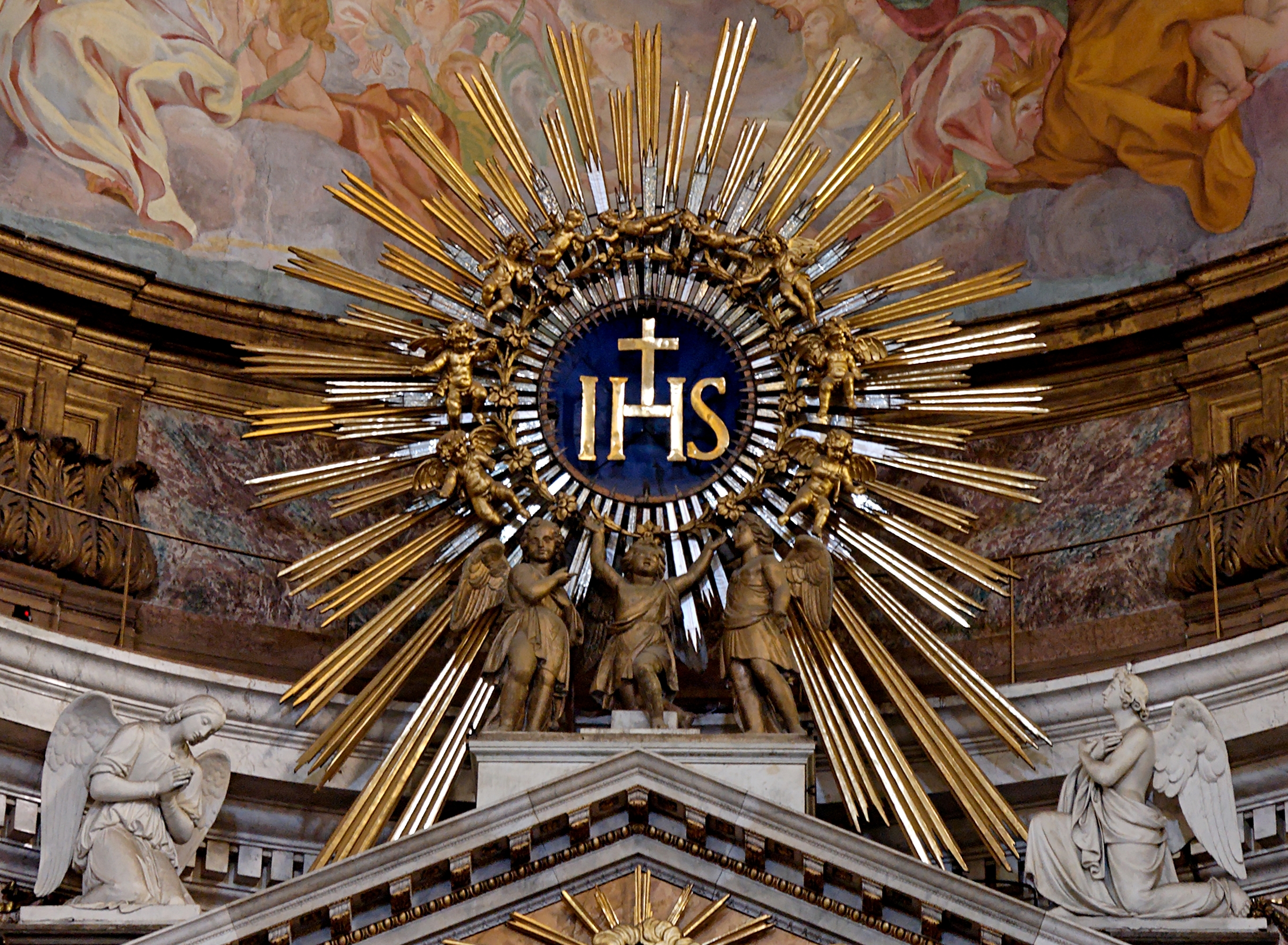
Many may have be known as Yehoshua but only One brought about what the Name signified. Truly, The Lord has saved His people.
Monday, 6 January 2014
Reflection on Honours

To refuse an honour while claiming the patronage of humility may arise from a love of show.
Sunday, 5 January 2014
Reflection on Liturgical Reform

Just as the principle of the organic development of the liturgy must obtain, so the necessity to preserve the sacred liturgy instead of tinkering with it in the light of current academic consensus must be held.
Reflection on the Holy Name of Jesus

If we proclaim God is love, to deny His gospel of salvation through Jesus to all men would be the most intolerable form of hatred and exclusiveness imaginable. Since there is only one Name that may save us, no platitude about charity could ever absolve us from the guilt incurred by reserving Christ to only some. We must not act as though the Name of Jesus is some oppressive burden but our sweetness and constant delight.
Friday, 3 January 2014
Why and How I Write
It almost axiomatic to the thinking men of our age that our civilization is in crisis. Not too much of what is truly civil remains, yet man persists in being aggressive in his pursuits and in his arrogance regarding the triumphs of modern society. Most recognise abhorrent behaviour and selfishness but few reach the underlying causes of such decay in the social interactions of men and women. We do not suffer from a crisis in behaviour but one that is far more fundamental to the disintegration of the Western world. Man has lost himself in his craving for freedom, and has bound himself to many demons. It is an intellectual and spiritual crisis that haunts our streets as men have abandoned God and grievously wounded themselves.
My intention in founding Filioque was to present my theological vision, combining the insights of Sts. Augustine and Thomas who comprise the best of the Roman Church's spiritual heritage. I may wish still to become a great theologian, proclaiming my profound knowledge of things divine at an ecumenical council but today, I can only offer more modest morsels. I am particularly irritated that the title of ''Exceptional and Pious Doctor'' has already been taken. In recent months, I have however dedicated myself to analysing the malaise of our society, a disease that as a young man I am unable to escape from. These 'aphorisms', as a generous priest has described them came about by accident, or at least through an interesting act of Providence. After damaging my laptop while in Spain and only having an Ipad to type with, which to be blunt is a nightmare, I resorted to writing short and often random reflections on the culture and Catholicism. My first acquaintance with the aphorism came through Nietzsche and I attempt through my contributions to overturn his errors and others like his. I do not write from a monastery, I do not have that luxury, but from experiences tied to this world in more ways that I wish. The greatest advice I could give a Catholic writer is to remain relevant. I read a particular piece of counsel from Cardinal Mercier of Belgium a while back which continues to be my inspiration.
''Always keep current; know what the modern world is thinking about; read its poetry, its history, its literature; observe its architecture and its art; hear its music and its theatre; and then plunge deeply into St. Thomas and the wisdom of the ancients and you will be able to refute its errors''
With the wisdom gained through my study of St Thomas I hope to counter some fundamental errors of society and why the rights of God must be upheld for the sake of man's freedom and dignity. The flaws in modern thinking are revealed all around us, in the pop songs that pervert our ears, the lewd images that bombard our eyes and the wicked speech on the tongues of our contemporaries. Yet the same people who help to cause the degradation of society are still made in the image of God and are worth saving. The longing for love and acceptance is still present at the core of their being and it is up to us to reveal the One they have been searching for, consciously or not.
I do not attempt to sentimentalise the Faith which may gain me more followers but no glory in heaven. The treasure of the Catholic Church is there for all to behold and love, which is a great consolation amid the mockery of many. It is from a knowledge and love of this Faith revealed by the authority of God and proclaimed by His Church that I attempt to refute the fallacies of this age which are so damaging to right thought and correct morals. From this fountain of wisdom, one can proceed to diagnose the ills of modern society, leading the infected back to God. I generally do not plan my writings, but through reading articles on current affairs, culture, politics, debates on social media and religion, certain thoughts come to me and I write them down in short form, hoping that they benefit some soul out there a little.The reflections are all my own, unless stated. What is good in them, give thanks to God. What is defective, correct me. Errors form our environment, in turn influencing the decision making of many who are generally thought to be good. As only a 23 year old layman, unknown to most, I can only have limited reach but the little good I hope to do may be enough to convert one soul which would be a great blessing.
Until He come,
Charles
My intention in founding Filioque was to present my theological vision, combining the insights of Sts. Augustine and Thomas who comprise the best of the Roman Church's spiritual heritage. I may wish still to become a great theologian, proclaiming my profound knowledge of things divine at an ecumenical council but today, I can only offer more modest morsels. I am particularly irritated that the title of ''Exceptional and Pious Doctor'' has already been taken. In recent months, I have however dedicated myself to analysing the malaise of our society, a disease that as a young man I am unable to escape from. These 'aphorisms', as a generous priest has described them came about by accident, or at least through an interesting act of Providence. After damaging my laptop while in Spain and only having an Ipad to type with, which to be blunt is a nightmare, I resorted to writing short and often random reflections on the culture and Catholicism. My first acquaintance with the aphorism came through Nietzsche and I attempt through my contributions to overturn his errors and others like his. I do not write from a monastery, I do not have that luxury, but from experiences tied to this world in more ways that I wish. The greatest advice I could give a Catholic writer is to remain relevant. I read a particular piece of counsel from Cardinal Mercier of Belgium a while back which continues to be my inspiration.
''Always keep current; know what the modern world is thinking about; read its poetry, its history, its literature; observe its architecture and its art; hear its music and its theatre; and then plunge deeply into St. Thomas and the wisdom of the ancients and you will be able to refute its errors''
With the wisdom gained through my study of St Thomas I hope to counter some fundamental errors of society and why the rights of God must be upheld for the sake of man's freedom and dignity. The flaws in modern thinking are revealed all around us, in the pop songs that pervert our ears, the lewd images that bombard our eyes and the wicked speech on the tongues of our contemporaries. Yet the same people who help to cause the degradation of society are still made in the image of God and are worth saving. The longing for love and acceptance is still present at the core of their being and it is up to us to reveal the One they have been searching for, consciously or not.
I do not attempt to sentimentalise the Faith which may gain me more followers but no glory in heaven. The treasure of the Catholic Church is there for all to behold and love, which is a great consolation amid the mockery of many. It is from a knowledge and love of this Faith revealed by the authority of God and proclaimed by His Church that I attempt to refute the fallacies of this age which are so damaging to right thought and correct morals. From this fountain of wisdom, one can proceed to diagnose the ills of modern society, leading the infected back to God. I generally do not plan my writings, but through reading articles on current affairs, culture, politics, debates on social media and religion, certain thoughts come to me and I write them down in short form, hoping that they benefit some soul out there a little.The reflections are all my own, unless stated. What is good in them, give thanks to God. What is defective, correct me. Errors form our environment, in turn influencing the decision making of many who are generally thought to be good. As only a 23 year old layman, unknown to most, I can only have limited reach but the little good I hope to do may be enough to convert one soul which would be a great blessing.
Until He come,
Charles
Reflection on Social Justice
Just as not everyone who says to Christ, 'Lord Lord' shall enter the Kingdom of Heaven, not all who proclaim 'Think of the poor!' are truly concerned about the vulnerable in society.
Reflection on Carrying the Cross
It falls to all men to carry a cross, but only those who lift it with their graze on Christ can hope for it to become the tree of life. As for the rest, the splinters will prove an intolerable and useless burden.
Reflection on Multiculturalism

The irony about multiculturalism is that is tends by necessity towards one singular dominant creed which is to govern society. In order for the various groups to exist within the nation, they must abandon their deeply held beliefs once they part the threshold of their private dwellings. For society to harmoniously function, the bare bones forming a common understanding must be adopted by all in the public sphere, which essentially is secular humanism. For all the lauding of diversity, in truth, only one belief system may be held. Furthermore it appears that they are much more motived by a hatred of Christianity than by a love of cultural diversity.
Thursday, 2 January 2014
Reflection on the Endurance of Truth
If as the modernists claim, "all is only valid in its time", then they have dealt themselves a most serious blow. A more enlightened assembly of thinkers will surely arise in a not too distant future and deride their most sacred doctrines as nothing more than chaff to be burnt.
Reflection on Error
The trouble with the modernist is that his ideas are not so modern after all. Being ever so ancient, they have been refuted many a time.
Wednesday, 1 January 2014
Reflection on "Being Pastoral"
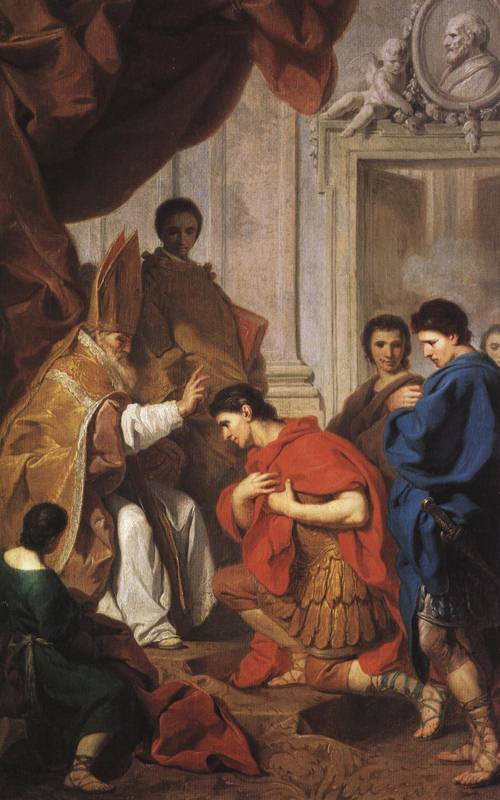
More souls have been lost due to "being pastoral" than possibly could be through severity.
Tuesday, 31 December 2013
Reflection on Science and Excuses
The claims and dominions of science and reason are too often wielded as ideological tools today. Modern man has no use for nor knowledge of either but he will praise them as he attempts to escape from morality.
Monday, 30 December 2013
Reflection on Feminism
Feminism has done more to destroy the lives of baby girls than any oppressive system of patriarchy could ever hope to produce.
Reflection on Homosexual Persons
It should be considered far more hate filled to consider it impossible for homosexuals to live chastely and to become holy. Let us not seek to deprive them of the graces God wishes to lavish on them.
Reflection on Big Government
The biggest critics of government appear to be the strongest supporters of big government.
Sunday, 29 December 2013
Reflection on the Welfare State
An activist government masquerading as a pioneer in charity may alleviate the consciences of the political class but not the condition of those it is supposed to aid. All too often, the poor have been reduced to clichés and caricatures.
Reflection on Minority Groups
As a member of a minority group, being left handed, I am entirely free to insult who I wish, all in interest of fairness after all.
Reflection on Human Rights
It requires a great deal of faith to assert that a random aggregation of matter, unconsciously assembled possesses inalienable human rights.
Saturday, 28 December 2013
Reflection on Political Strategy
Ad hominem attacks and shrieks of victimisation combine to form a sound political strategy.
Reflection on Youth and Joy
A great fallacy has been perpetrated against our young people. The claim exists that if they throw off the restraints of Christianity, the youth shall be free to pursue their self-realization. Anyone who has spent any time on social media can easily see the confusion and dejection of so many young people, who take refuge in partying and drink to abandon their struggles.
Reflection on Celibacy
If marriage is to be defined as the union of two involving the exclusion of the rest, celibacy may be defined as the same.
Reflection on the Logical Consequences of Atheism
There is more to the definition of Atheism than the denial of belief in the existence of a God or gods. It requires an entire severing of man's understanding of the universe and his place in it. It will not do to simply continue on with a preverted knowledge of certain principles of Christendom as though nothing had fundamentally changed.
Friday, 27 December 2013
Reflection on Reexamining Dogma
To reexamine and reinterpret the perennial teachings of the Church on relations with other religions and with the Jews in particular in the light of recent historical events is to destroy the divine institution of the Faith.
Thursday, 26 December 2013
Reflection on Humility and Luxury
Those who advocate for a simpler liturgy in accordance with humility are attempting to salve their consciences from exuberance in other parts of their lives.
Reflection on Bigotry
Isn't it amazing that in the past few years I have become a hateful, intolerant bigot, all without changing any of my views?
Reflection on Being Good without Religion
One can conceivably be nice without religion, but hardly could be called good.
Monday, 23 December 2013
Reflection on Understanding Jesus
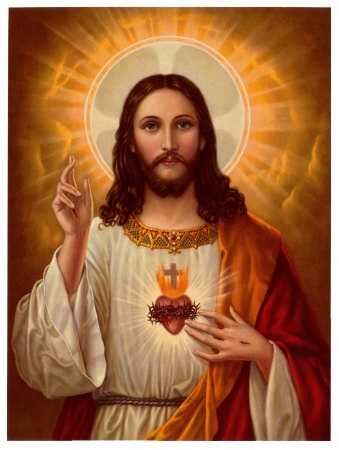
Our Lord must feel so lucky that He has the Guardian and the New York Times to finally understand Him.
Sunday, 22 December 2013
Reflection on Silence
It was in silence that He descended to us, it is by silence that we ascend to Him.
Saturday, 21 December 2013
Reflection on being Self-Righteous
Is there anything more self-righteous than accusing another of being it?
Reflection on Christmas and Children
Catholics should always rejoice in the presence of children as these little ones manifest to us a ray of the simplicity and purity of the Christ Child.
Friday, 20 December 2013
Reflection on Atheism
We are no more than aggregations of disparate matter, randomly assorted. There is no good, no right. There only "is".
Thursday, 19 December 2013
Reflection on Orthodoxy
The orthodoxy of a Catholic may be determined by his acceptance or not of the Syllabus of Blessed Pius IX.

Reflection on Liberal Logic
If the right were to promote homosexuality, the left would accuse them of misogyny.
Wednesday, 18 December 2013
Reflection on the Spirit of Christmas
In the spirit of Christmas, acknowledging man's reconciliation with God, let us be reconciled with one another. Not in a false understanding of humanity but in repentance together before our common Father.
Reflection on a Personal Relationship with Jesus
If faith is not the assent given by the intellect to truth revealed by the Divine Triad, any personal relationship with Jesus would be mere talking to oneself according to one's fancy.
Reflection on Conscience
We define conscience to be the application of the moral law to a particular situation and act. If we were to be so foolish to assert that man's conscience is his sole and allsufficing guide, what would his knowledge of good and evil be other than the taboos of society and the fear of shame among his peers?
Reflection on Human Rights and God
A proclaimed human right that impugns the sovereignty of God is to be rejected as demonic. No man has the right to error.
The Pope Speaks...
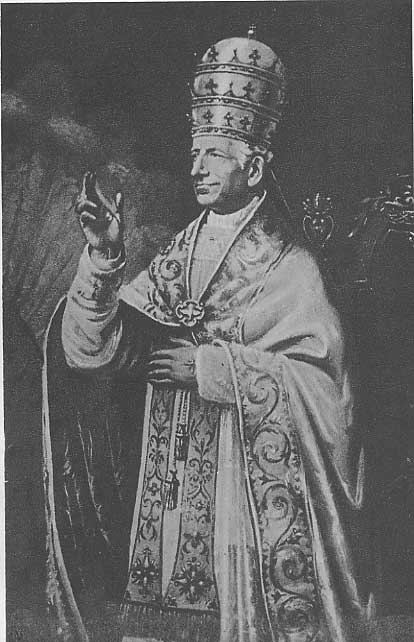
Leo XII on the necessity of the true religion as a basis for civil society.
''As a consequence, the State, constituted as it is, is clearly bound to act up to the manifold and weighty duties linking it to God, by the public profession of religion. Nature and reason, which command every individual devoutly to worship God in holiness, because we belong to Him and must return to Him, since from Him we came, bind also the civil community by a like law. For, men living together in society are under the power of God no less than individuals are, and society, no less than individuals, owes gratitude to God who gave it being and maintains it and whose everbounteous goodness enriches it with countless blessings. Since, then, no one is allowed to be remiss in the service due to God, and since the chief duty of all men is to cling to religion in both its teaching and practice-not such religion as they may have a preference for, but the religion which God enjoins, and which certain and most clear marks show to be the only one true religion -- it is a public crime to act as though there were no God. So, too, is it a sin for the State not to have care for religion as a something beyond its scope, or as of no practical benefit; or out of many forms of religion to adopt that one which chimes in with the fancy; for we are bound absolutely to worship God in that way which He has shown to be His will. All who rule, therefore, would hold in honor the holy name of God, and one of their chief duties must be to favor religion, to protect it, to shield it under the credit and sanction of the laws, and neither to organize nor enact any measure that may compromise its safety. This is the bounden duty of rulers to the people over whom they rule. For one and all are we destined by our birth and adoption to enjoy, when this frail and fleeting life is ended, a supreme and final good in heaven, and to the attainment of this every endeavor should be directed. Since, then, upon this depends the full and perfect happiness of mankind, the securing of this end should be of all imaginable interests the most urgent. Hence, civil society, established for the common welfare, should not only safeguard the wellbeing of the community, but have also at heart the interests of its individual members, in such mode as not in any way to hinder, but in every manner to render as easy as may be, the possession of that highest and unchangeable good for which all should seek. Wherefore, for this purpose, care must especially be taken to preserve unharmed and unimpeded the religion whereof the practice is the link connecting man with God.'' - Immortale Dei, 1885.
Note: As you can see, I have been undertaking the most rewarding task of reading the encyclicals of His Holiness Leo XIII, so willed with perennial Catholic wisdom and certainly would astonish the Neo-Catholics.
Reflection on the Rights of God in Society
To assure the rights of God in society is to uphold the sure liberty of each citizen, granting true peace to the commonwealth.
Tuesday, 17 December 2013
Reflection on the Duties of a Bishop
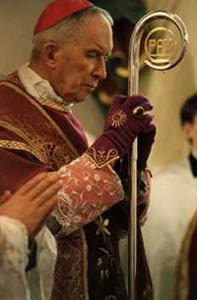
The bishop must steadily move between altar, pulpit and confessional in order to be a true pastor of souls. May the devil take the conferences and committees.
Monday, 16 December 2013
Reflection on Choosing God
Despite each stumble, each instance of curiosity, every wayward passion of youth, the desire for respect and security, the will to be free, the Christian must decide when the hour comes whether to choose the standard of Christ or that of Satan. Nothing else matters.
Reflection on the End of the Two Societies

Since God is the Author of nature and of grace, it follows that the temporal and spiritual spheres must run swiftly to His side, proclaiming His rights and our obedience to His moral law.
''Although the civil authority has not the same proximate end as the spiritual, nor proceeds on the same lines, nevertheless in the exercise of their separate powers they must occasionally meet. For their subjects are the same, and not infrequently they deal with the same objects, though in different ways. Whenever this occurs, since a state of conflict is absurd and manifestly repugnant to the most wise ordinance of God, there must necessarily exist some order or mode of procedure to remove the occasions of difference and contention, and to secure harmony in all things. This harmony has been not inaptly compared to that which exists between the body and the soul for the well-being of both one and the other, the separation of which brings irremediable harm to the body, since it extinguishes its very life.'' - Libertas, Pope Leo XIII.
The Pope Speaks...

Pope Leo XIII on a true understanding of equality.
''In like manner, no one doubts that all men are equal one to another, so far as regards their common origin and nature, or the last end which each one has to attain, or the rights and duties which are thence derived. But, as the abilities of all are not equal, as one differs from another in the powers of mind or body, and as there are very many dissimilarities of manner, disposition, and character, it is most repugnant to reason to endeavor to confine all within the same measure, and to extend complete equality to the institutions of civic life. Just as a perfect condition of the body results from the conjunction and composition of its various members, which, though differing in form and purpose, make, by their union and the distribution of each one to its proper place, a combination beautiful to behole, firm in strength, and necessary for use; so, in the commonwealth, there is an almost infinite dissimilarity of men, as parts of the whole. If they are to be all equal, and each is to follow his own will, the State will appear most deformed; but if, with a distinction of degrees of dignity, of pursuits and employments, all aptly conspire for the common good, they will present the image of a State both well constituted and conformable to nature.''
- Humanum Genus, 1884.
Reflection on Pope Francis and the Liturgy

If we were to embrace Eastern Orthodoxy, the Pope would laud our ancient and reverent liturgy as a treasure to be retained.
Sunday, 15 December 2013
Reflection on the Mercy of God
Let us be reminded always of the mercy of The Lord, a mercy leading to sanctification and not to toleration.
"Be conforted, be conforted, O my people: thy Saviour shall come quickly. Why hath grief devoured thee? Why hath sorrow disfigured thee? I will save thee: fear not: for I am The Lord thy God, the Holy One of Israel, thy Redeemer."
"Be conforted, be conforted, O my people: thy Saviour shall come quickly. Why hath grief devoured thee? Why hath sorrow disfigured thee? I will save thee: fear not: for I am The Lord thy God, the Holy One of Israel, thy Redeemer."
Thursday, 12 December 2013
Reflection on the Heresy of Judas
To verbally obsess about the poor, transforming real people into cliches is to succumb to the heresy of Judas.
Subscribe to:
Posts (Atom)